Municipal water is treated to be safe for general use. That does not mean it is free from chemical byproducts, aging infrastructure, or modern contaminants introduced long after treatment.
Water quality
Water that meets standards is not always water that is truly pure.
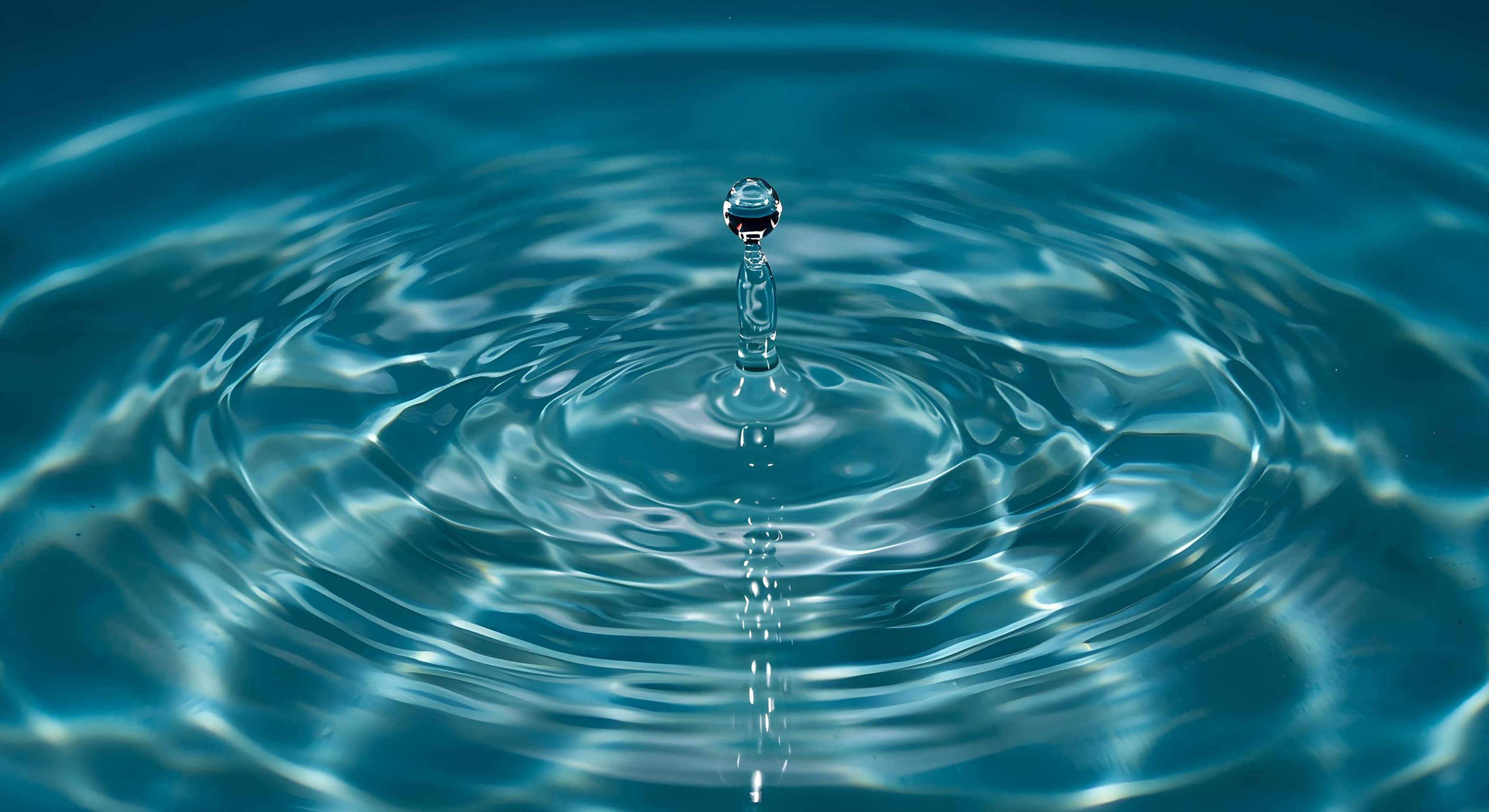
Water composition
What’s added to water is meant to protect it. What remains can quietly affect it.
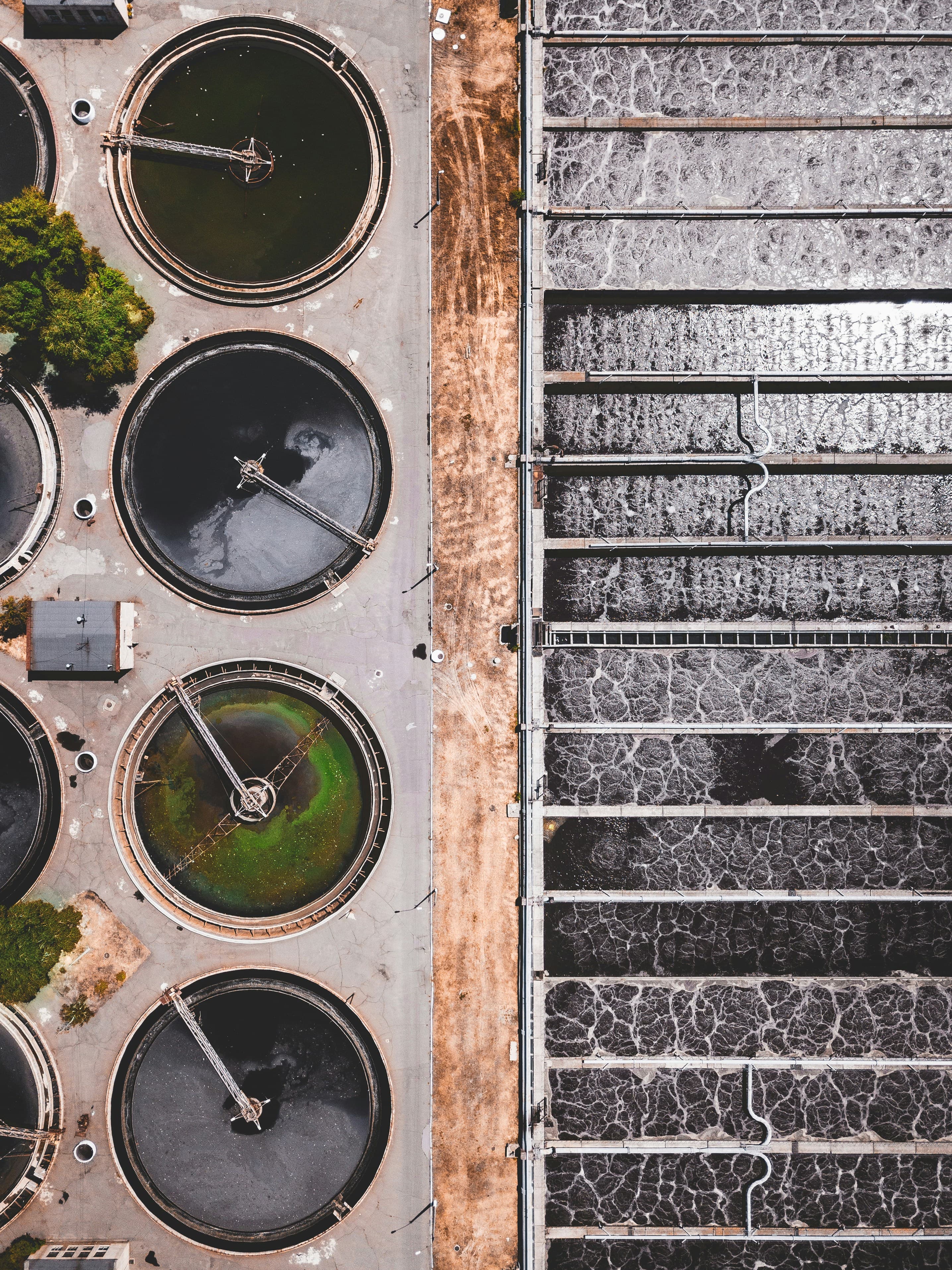
Disinfectants
Chlorine and chloramine are commonly used to control bacteria, but they can react with organic matter and form byproducts.
Chemical residues
Disinfection byproducts, trace metals, and residual compounds may remain present even after treatment.
Infrastructure impact
Aging pipelines and distribution systems can introduce contaminants long after water leaves the treatment plant.
Distribution
Even treated water changes as it travels.
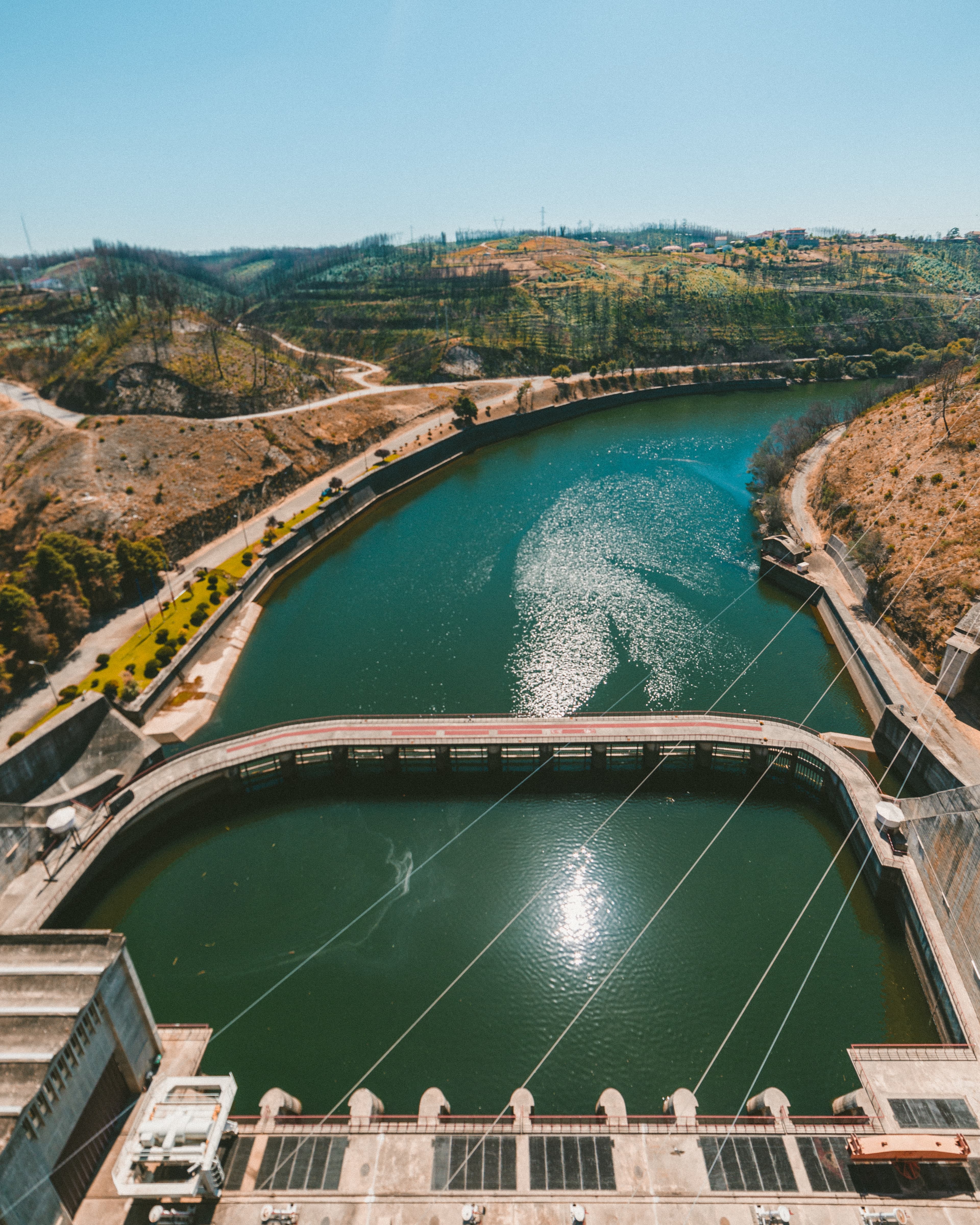
Distance and time
Water may travel long distances through underground pipelines before it reaches a tap, changing gradually along the way.
Aging infrastructure
Cracks, corrosion, and proximity to sewage systems can introduce contaminants long after treatment is complete.
Last-mile reality
By the time water reaches a home, its quality depends as much on distribution as on treatment.
Water treatment
Where water is finally used matters as much as how it is treated.
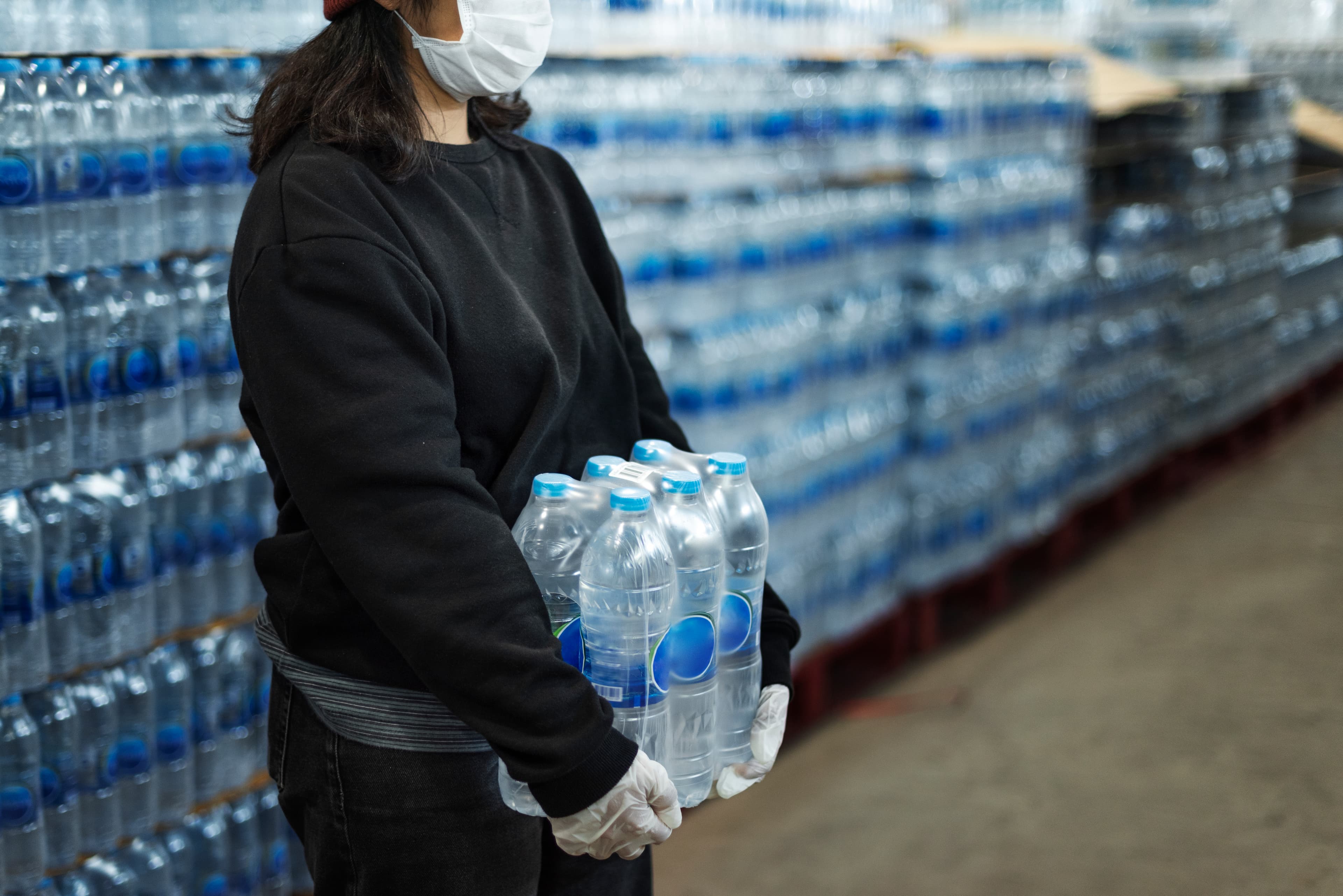
The final step matters
Water can meet regulations and still change by the time it reaches a tap. Treating it at the point of use addresses what happens last, not just what happens first.
Drinking, cooking, living
The water you drink, cook with, and give to your family and pets deserves a level of attention beyond general-purpose treatment.
Control and confidence
Localized treatment gives control back to the user, ensuring water quality where it matters most.
Application
Different environments demand different approaches to water.

Homes
Drinking, cooking, bathing, and everyday use require water that feels as good as it looks.
Explore →
Apartments
Shared infrastructure makes consistency and scale essential across multiple households.
Explore →
Commercial spaces
Offices, hospitality, and institutions depend on reliable water quality for people and operations.
Explore →
Industrial use
Processes, equipment, and output quality rely on controlled, purpose-driven water treatment.
Explore →